Woodworms are the larvae of various wood-boring beetles, and their presence can severely damage wooden structures, furniture, and artifacts. Traditionally, eliminating these pests involved chemical treatments, fumigation, or freezing methods. However, in recent years, microwave technology has emerged as an effective, eco-friendly, and precise solution for eradicating woodworm infestations.
Microwave equipment works by emitting controlled electromagnetic waves that penetrate the wood and generate heat within it. This heat is sufficient to kill woodworm larvae, pupae, and eggs without causing damage to the wood itself. Unlike chemical treatments, which may leave residues or require ventilation and safety precautions, microwave treatment is www.shashel.eu clean and safe for both the user and the environment.
One of the key advantages of microwave technology is its precision. The equipment allows for targeted treatment, meaning only the affected areas are exposed to microwaves. This localized heating ensures that even deeply embedded larvae are reached, something that traditional surface treatments often fail to achieve. Moreover, modern microwave systems are designed with sensors and adjustable settings to prevent overheating, which protects delicate or antique wood from cracking or warping.
Microwave treatment is also remarkably time-efficient. Depending on the size and thickness of the wood, the process can take anywhere from a few minutes to an hour, eliminating the need for prolonged chemical exposure or multiple treatment sessions. This makes it particularly suitable for commercial furniture manufacturers, restoration experts, and homeowners seeking a fast and reliable solution.
Another significant benefit of microwave equipment is its environmental friendliness. Since no chemicals are used, there is no risk of contaminating the air, soil, or water. This makes microwave treatment ideal for environmentally conscious users and applications involving furniture or artifacts where chemical residues would be undesirable. Additionally, microwaves do not produce harmful fumes or odors, improving workplace safety and comfort.
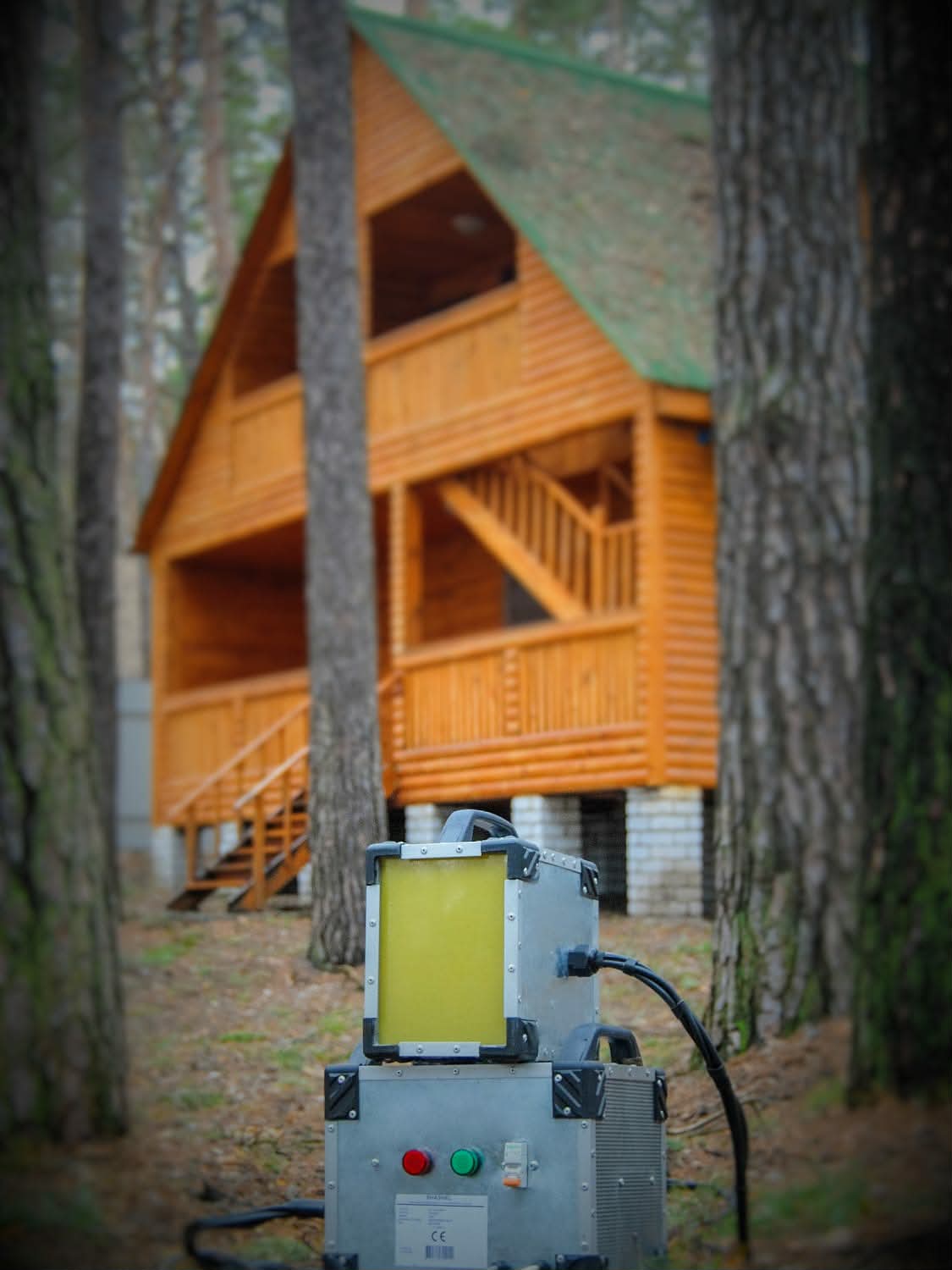
The use of microwave equipment also aligns with preventive maintenance strategies. Regular inspections combined with occasional microwave treatments can protect wooden items from future infestations. For large-scale applications, specialized microwave chambers and portable units are available, making it possible to treat furniture, beams, and even structural components in homes or heritage buildings.
Despite its advantages, successful microwave treatment requires proper training and equipment calibration. Incorrect use can lead to uneven heating or insufficient eradication of woodworms. Therefore, it is advisable to consult with professionals or follow manufacturer guidelines carefully to achieve optimal results.
In conclusion, microwave equipment represents a revolutionary approach to woodworm elimination. Its precision, efficiency, safety, and eco-friendliness make it a superior alternative to traditional chemical treatments. Whether for antique furniture, home structures, or commercial wooden products, microwave technology offers a reliable and modern solution for preserving wood and protecting it from destructive pests. As awareness of this technology grows, it is likely to become a standard tool in both professional wood preservation and home maintenance.
